
Kosugi Hoan (1881–1964)

Milton Chanes • July 9, 2026

Share this article

Kosugi Hoan (1881–1964)

In the spring of 1922, Gichin Funakoshi travelled to Tokyo at the invitation of the Japanese Ministry of Education to present the art of Okinawa at the First National Physical Education Exhibition, held in Ochanomizu. He was 53 years old at the time, and nothing suggested that this discreet Okinawan schoolteacher was about to change the history of Japanese martial arts forever.


For the occasion, he prepared three long scrolls containing ordered photographs of stances, kata, and hand and foot movements, and the demonstration proved to be a remarkable success. His intention, however, was to return to Okinawa as soon as the event was over. The first postponement came when Kanō Jigorō, founder of jūdō and president of the Kōdōkan, asked him to give a lecture and demonstration of his art.


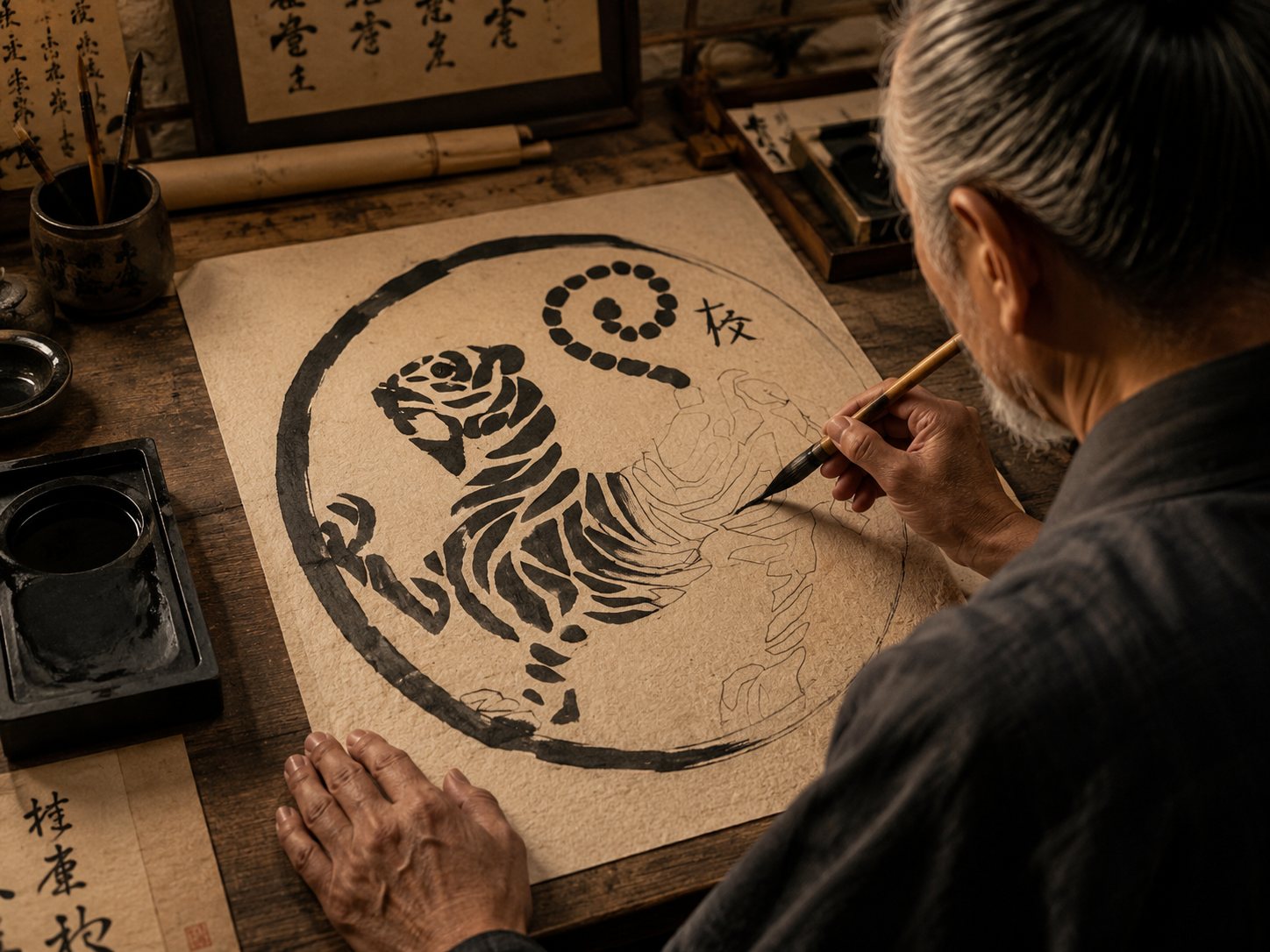
After the demonstration, Funakoshi was once again preparing to return to Okinawa when he received a visit from the painter Kosugi Hoan (1881–1964), a prominent figure in Tokyo’s artistic circles and president of the Tabata Poplar Club, a gathering of painters and poets. Kosugi was not unfamiliar with the Okinawan art: in 1913, during a journey to Europe, his ship had stopped in Okinawa, where he had his first encounter with Tōde, which left a deep impression on him.


Fascinated by that art, he asked Funakoshi to postpone his departure and teach the members of the club. Those first classes, together with the insistence of Kanō Jigorō and the kendō master Nakayama Hakudō, proved decisive in leading Funakoshi to remain permanently in the Japanese capital.


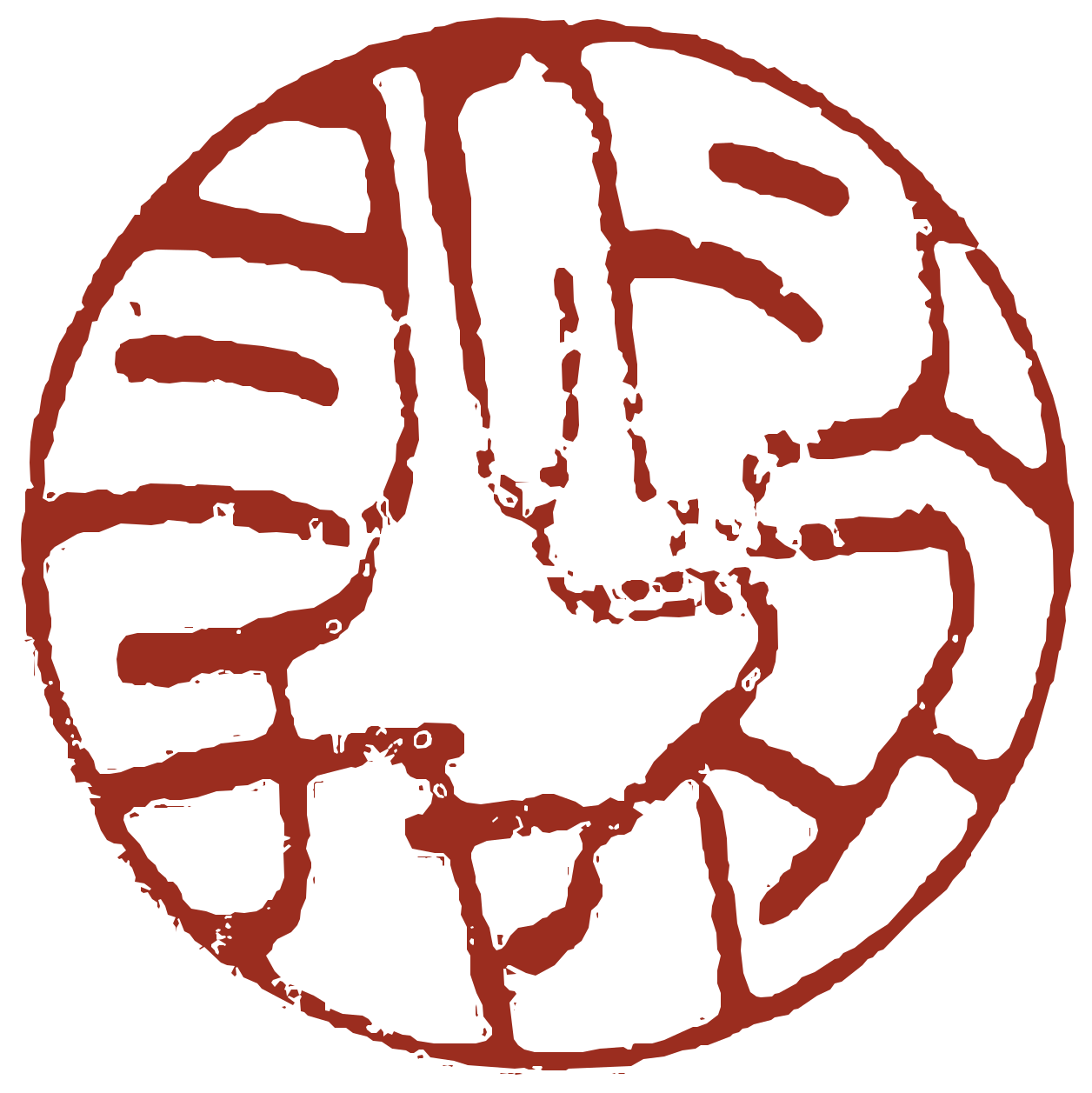
His relationship with Kosugi soon bore further fruit. It was Kosugi who encouraged Funakoshi to write the first book on karate, committing himself to take charge of the design. Thus Ryūkyū Kempō: Karate (1922) was born, the first karate book published in the world, whose cover already displayed the famous tiger painted by Kosugi.


The design played on the Japanese expression tora no maki — the definitive reference text of an art — since tora also means “tiger”: Funakoshi’s book would become the tora no maki of karate. That tiger would accompany the master’s later works, including Karate-Dō Kyōhan (1935), and would eventually become one of the most recognizable symbols of Shōtōkan.

Recent Posts

Bushi tells the story of Matsumura Sōkon, a legendary Okinawan master
By Milton Chanes July 8, 2026
Bushi tells the story of Matsumura Sōkon, a legendary Okinawan master whose life, discipline, and warrior spirit helped preserve the roots of what would later become Karate-Dō.
Walking Upright
By Milton Chanes July 7, 2026
Discover Walking Upright, a historical novel inspired by the life of Gichin Funakoshi, the Okinawan schoolteacher who helped transform the ancient art of Tōde into modern Karate-Dō.